
Following a Buyer: Ben
Four Days, One House, One Cash Buyer

I'm following another purchase, with the buyer's blessing. Ben sold his last home with me in September. This is the other half: finding the next one, against a cash offer, in four days.
BEFORE THE HOUSE
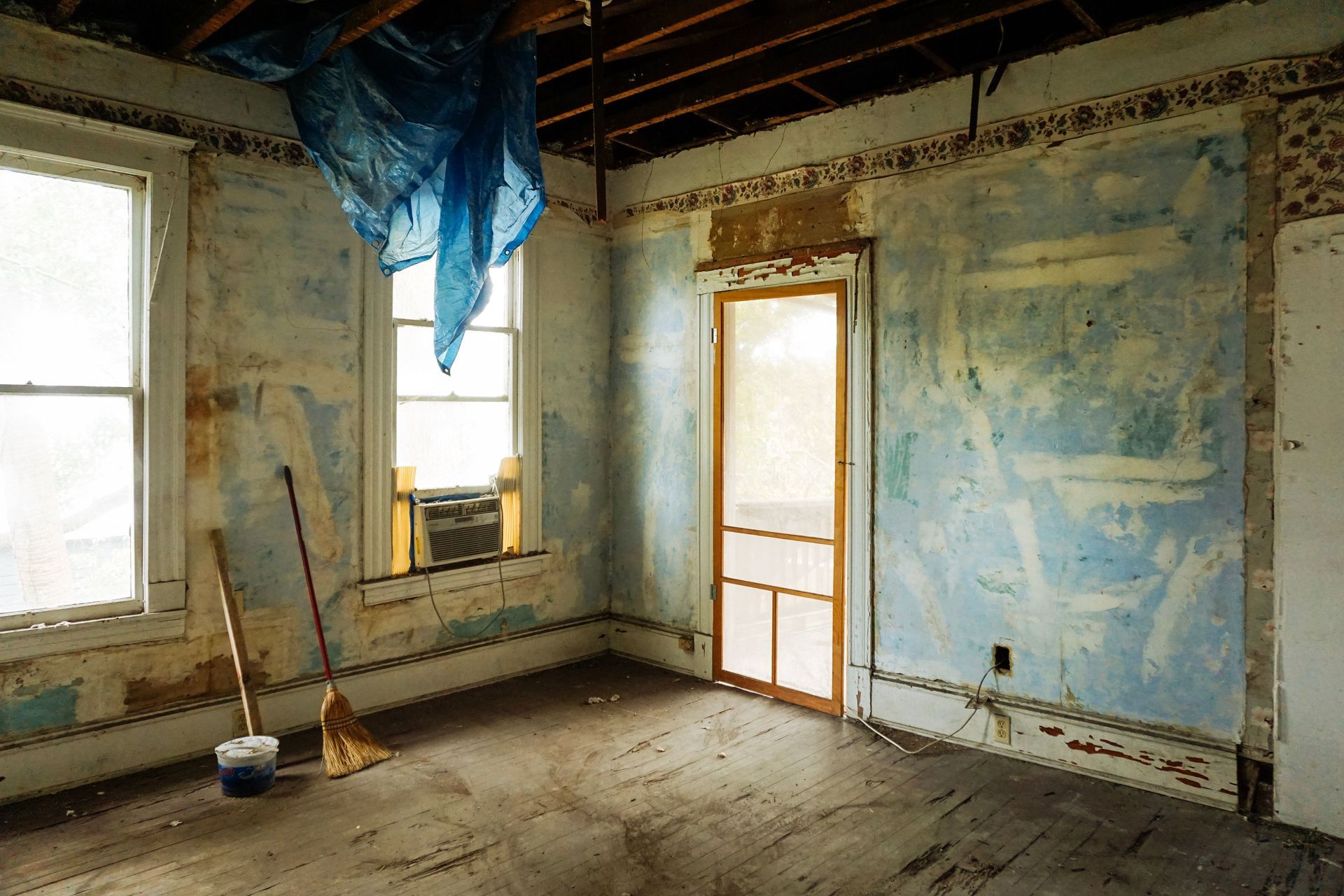
Ben and I did his buyer consultation over video, then went out to see homes. The first outing was in one of Atlanta's older neighbourhoods, and it was useful mainly for what it ruled out. In one house you could feel that the floors weren't level as you walked across them. Older homes have character, and some of them also have a story underneath that you need to hear before you fall for the kitchen.
WEDNESDAY: THE ADDRESSES, THE TOUR, THE WALK
On Wednesday morning Ben sent me the addresses he wanted to see. I booked the showings that day, so it was a quick turnaround, and that afternoon we went out.
One house was a hit with all of us. It wasn't perfect, and it didn't need to be. I recommend clients use the 80-10-10 rule: if a house has 80% of what you want, 10% you can fix and 10% you can live with, it could be the one. This one passed that test. Spotting the few things we weren't sure about before we'd written an offer also meant we already knew what we'd want the inspector to look at closely.
I tell every buyer not to get too excited, and definitely not on the doorstep. A lot of homes have doorbell cameras, and some of them listen. You also never know if a house is still available. So, once we were outside, I texted the listing agent to find out.
While we waited for a reply, we walked the street. It's one of the ways to see if an area is good. If you don't feel comfortable walking it, there's no point living there, even if you'll mostly be driving. Walking slowly, you see the neighbourhood: the other houses, the cars, how the street is kept. If you're lucky you bump into someone who lives there, and people tell you the truth. I've walked away from a couple of neighbourhoods because the neighbours had nothing good to say about them. This street passed.
Then the agent replied. The seller already had an offer and was making up their mind. I said we could have ours in by noon the next day and asked whether the seller would wait for it.
That same evening, Ben sent everything to the lender so the financing could get started.
THURSDAY: THE OFFER, AND THE HONEST TEXT
Noon came and went. The financing took longer to put together than planned, and we weren't going to make it.
So I told the listing agent the truth: we were going to be a bit late, and if the house was still there when we were ready, great, and if not, I understood. A listing agent has to be able to rely on what I say, because every step after the offer, from repairs to the appraisal to closing day, is a negotiation that runs on trust. We submitted about four hours later.
We were lucky. The seller waited. If they hadn't, Ben would still be looking. The lesson is to get your financing lined up before you start touring, not once you've found the house.
The other offer was cash. A seller usually likes cash because it's simpler: no loan to wait for and no appraisal that might come in low. Justin Stuart at Social Mortgage, my preferred lender, secured an appraisal waiver for Ben. That took the biggest of those worries off the table, and our terms could stand next to a cash buyer's.

While we waited, I called Home Probe. Weekend inspections are hard to get, and they usually cost more, about $100 extra. I asked them to pencil one in for Saturday morning in case we got the house.

FRIDAY: UNDER CONTRACT
We went under contract on Friday. I called Home Probe back and turned the pencilled-in Saturday slot into a confirmed one.
SATURDAY: THE INSPECTION
I always go for the last 30 minutes of an inspection. Years ago I read a report describing a problem I couldn't picture, and since then I'd rather the inspector just shows me. When I'm there, I see the big items with my own eyes.
Ben couldn't make it on Saturday, so I set up a call with his parents instead. The inspector, Elliott Commings, spent 45 minutes on the phone taking them through every point. They were thorough. They asked all the right questions, and a lot of them, so by the time the written report arrived nothing in it was a surprise. When I thanked Elliott afterwards for taking the time and care, he said, "I truly enjoy that part of the process." It showed.
THE WEEKEND: TURNING A REPORT INTO A PLAN
The report flagged a few things that needed a specialist's opinion: a sewer scope, a structural engineer, HVAC, an electrician, a handyman and a roofer.
I already work with all of them, so I emailed the report straight out. Each one either told me from the report whether an item was a big deal and roughly what it would cost to fix, or told me they needed to see it in person.
That's the difference between "the inspection found some things" and "here's what it will cost, and here's what we're going to ask for."
WHERE THINGS STAND
Ben is under contract, the inspection is done, and the specialists are weighing in. Next comes deciding what to ask the seller for.

WHAT I'D TAKE FROM THIS
- Walk the street. Neighbours will tell you things a listing never will.
- Use the 80-10-10 rule. 80% of what you want, 10% you can fix, 10% you can live with.
- Get your financing lined up before you start touring. We were lucky the seller waited.
- Be straight with the other agent. Every negotiation after the offer runs on trust.
- A good lender can make a financed offer compete with cash. An appraisal waiver takes away one of the seller's main worries.
- Book the inspector before you're under contract. Weekend slots go fast and cost more.
- If you can't be at the inspection, get someone on the phone with the inspector. Hearing it beats reading it.
- Have the specialists lined up before you need them. A report is only useful once you know what each item costs.
NEXT TIME
What we asked the seller for, and why.
---
Thinking about buying? Get in touch (link:
https://www.neelmidha.com/contact) and let's start with a buyer consultation.